
In the aftermath of the 2025 U.S. tariff escalation, tensions with China have reached a boiling point not just economically with tit-for-tat responses from the Beijing, but also diplomatically and even more deeply in the cultural space. While President Trump’s sweeping tariffs may have been intended to force a global trade reset by pushing world leaders to renegotiate trade agreements seen as unfair by the US administration, recent comments from Vice President J.D. Vance far from encouraging constructive discussions, have on the contrary, added significant fuel to an already volatile fire.
In a high-profile speech, Vance referred to the Chinese as “peasants from whom the U.S. borrow money to buy the goods the chinese peasants manufacture” adding that “it is not a recipe for economic prosperity”. The reaction from Beijing was immediate and angry. The Chinese Foreign Ministry condemned the remark as “ignorant and impolite.”
Continue reading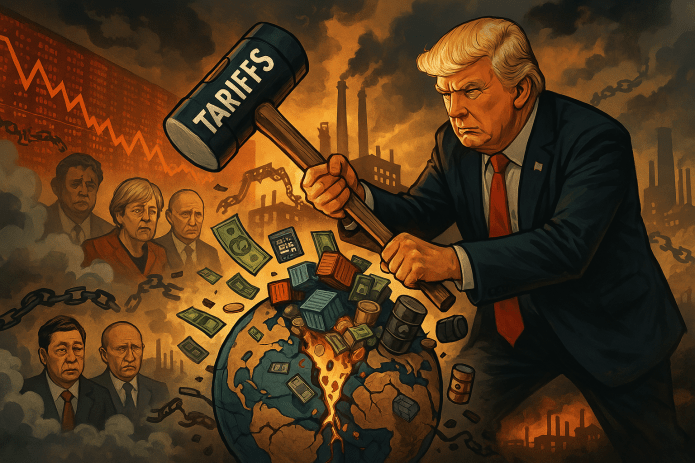
 The Risk Management Paradox