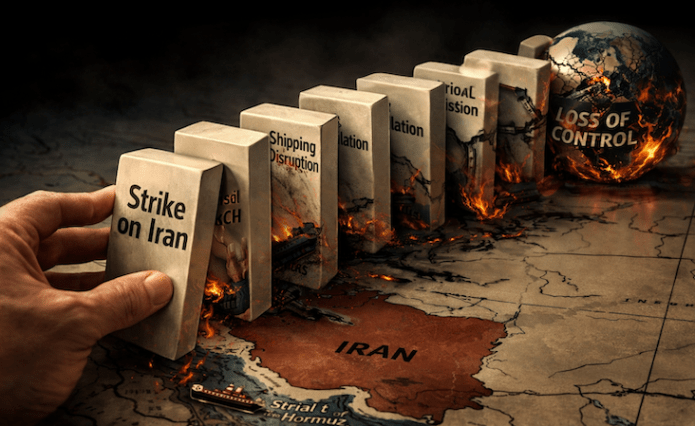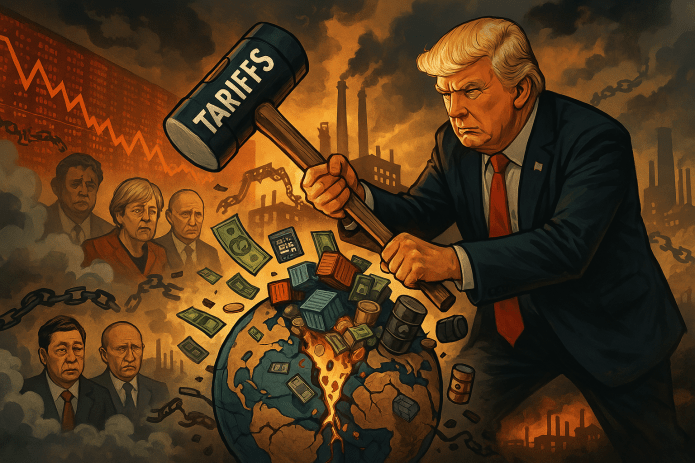
The ceasefire still holds for now. But the logic of war escalation has not been broken.
A few days ago, the two-week ceasefire between the United States and Iran was presented in Washington by Trump with great fanfare as a diplomatic breakthrough, the first step toward de-escalation and perhaps, eventually, peace. The White House narrative was predictable and self-congratulatory: overwhelming pressure had once again created the conditions for diplomacy, proving that force, when applied hard enough, can restore control and deliver a favorable political outcome. The Trump’s formula was familiar. Strike first, raise the cost for the adversary, and then negotiate from a position of restored dominance.
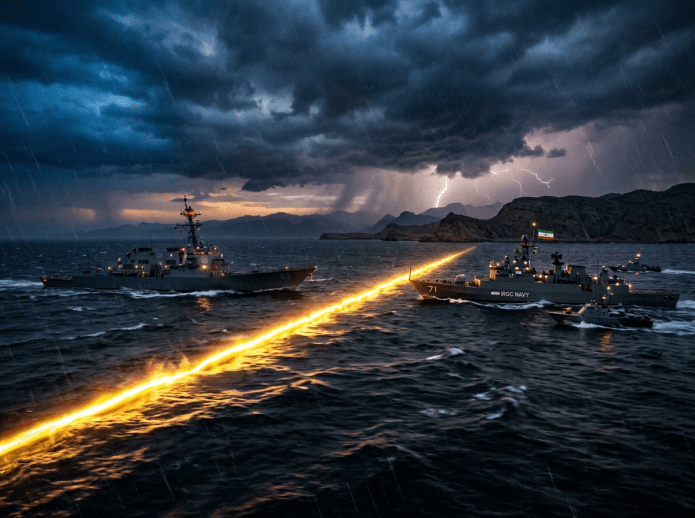
But the promotional wrapping around the ceasefire was quickly torn away by unfolding events. The Islamabad talks ended without agreement, without visible convergence, and without even a next round being scheduled for now. Then came Donald Trump’s declaration that the US Navy would immediately begin a blockade of the Strait of Hormuz. In one move, the meaning of the ceasefire changed fundamentally. A ceasefire with no diplomatic follow-up and a blockade on one of the world’s most sensitive maritime chokepoints is not a peace process. It is not even a stable de-escalation process. It is a more dangerous hybrid condition in which direct strikes are paused while coercive confrontation intensifies through other means.
Continue reading