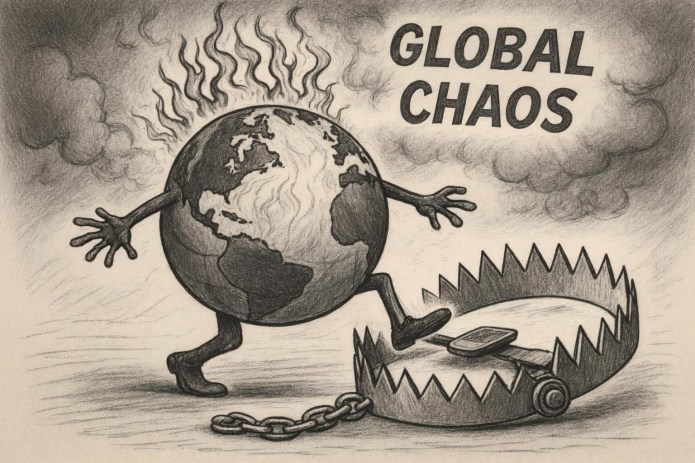
Introduction: When Power Meets its Limits
After more than a month of war against Iran, a revealing paradox has emerged. The United States and Israel, two of the most powerful military actors in the world, have demonstrated their overwhelming force and destructive capacity. Yet neither has achieved a decisive strategic outcome. Iran did not break. Under sustained attack and extraordinary pressure, it remains standing, retaliating, adapting and this resistance is increasingly becoming central to the global geopolitical narrative surrounding the conflict.
What is unfolding in Iran looks more and more like a case study in strategic risk miscalculation and a lesson about how a war launched as a supposedly controlled demonstration of force to gain leverage can quickly degenerate into self-expanding systemic disruptions with mounting spillovers and global unpredictable risks consequences.
Now the central question is no longer whether Washington and Tel Aviv can keep inflicting damage to Iran. Of course they can. The critical issue is whether this war is still strategically winnable on politically acceptable terms and whether the original justification for war was ever sound in the first place.
Now today’s news reports confirms that the conflict has now moved into a precarious two-week ceasefire phase after Trump stepped back from his latest threats, but the core disputes remain unresolved and the truce itself is fragile.
That matters because this war is no longer just a war. It is a stress test of strategic judgment, use of coercive power, alliance credibility, and global economic resilience.
Continue reading The Risk Management Paradox